

Key questions facing the printing world today... Here are the answers in 30 seconds...
Offset vs Digital ?
More and more printers are weighing the differences between offset and digital printing. Offset printing is faster, more cost-effective, and more versatile than digital. It allows for short print runs to be completed in minutes rather than hours, involves no "cost-per-click" fees, and supports a wider range of substrates—all while requiring minimal, unrestricted maintenance.
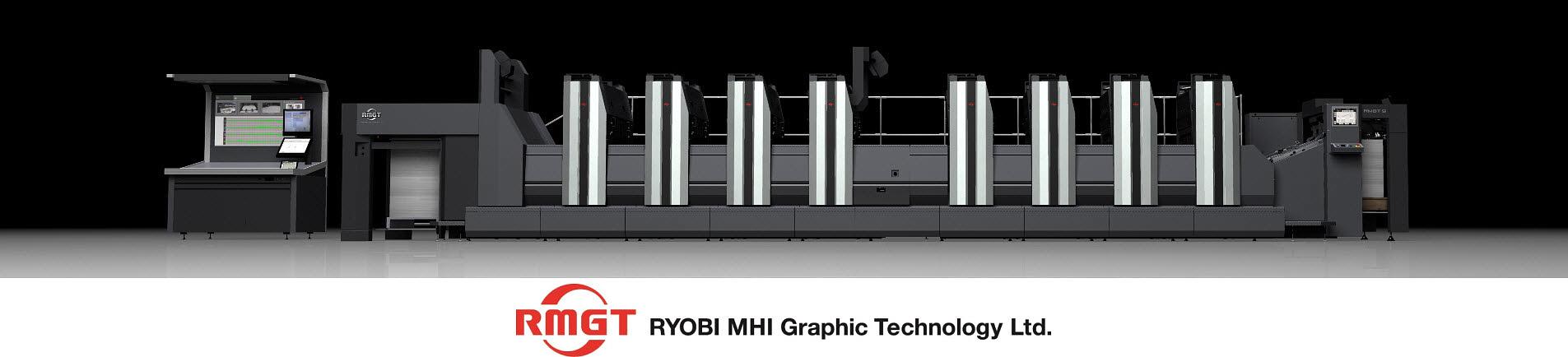
Offset printing imposes no limits on substrate thickness and is capable of producing exceptionally high quality. In fact, with the latest generation of RMGT presses, it is possible to print 250 sheets in just 4 minutes. Digital printing is best suited for short runs—up to 150–200 sheets—where lower to medium print quality is acceptable.
Offset presses retain their value well over time (experiencing low commercial depreciation even after 5–10 years), whereas digital presses quickly become obsolete and incur significant disposal costs (suffering almost total depreciation after 10 years).
Why LED-UV?
"It’s not just a system for upgrading your press; it’s a system that can improve your entire business."
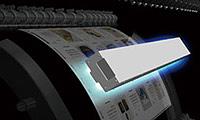
An increasing number of printers view LED-UV technology as essential for their offset production. Instant curing (eliminating drying time), the ability to print on any substrate, and the seamless transfer of finished products directly to the finishing stage are just a few reasons why successful printers are integrating LED-UV technology into their production capabilities. Add in environmental and economic benefits—such as lower energy consumption, zero VOC emissions, the elimination of anti-set-off spray powder at the press delivery, and a cooler pressroom—and it becomes clear why you need LED-UV technology.